

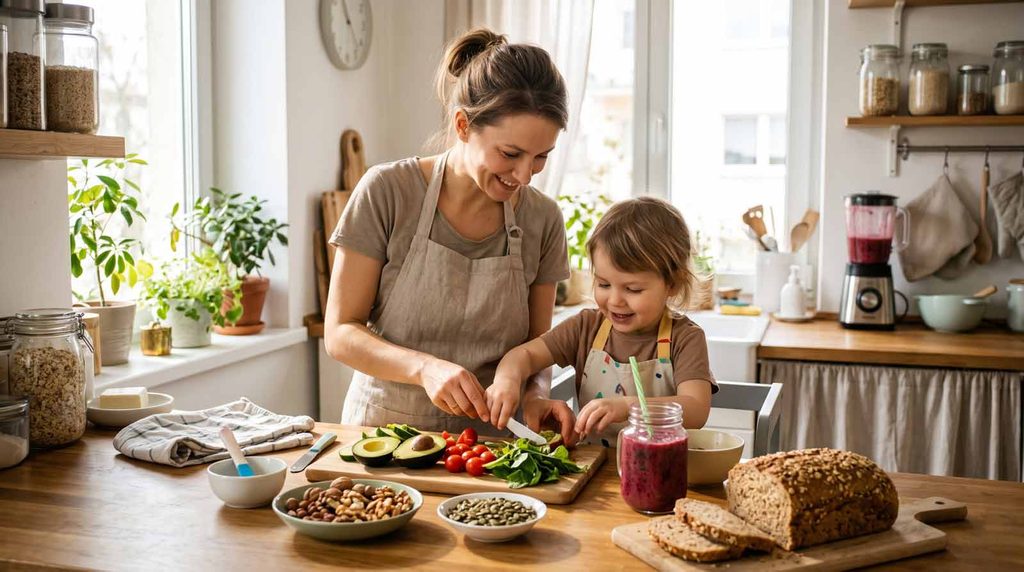
Helping an underweight child gain weight works best when the goal is steady growth, stronger nutrition, and calmer mealtimes—not simply “more calories at any cost.” The most effective weight gain strategies combine medical guidance, calorie-dense whole foods, regular eating routines, and healthy eating habits your child can sustain.
Is your child truly underweight?
A child may be considered underweight when their growth pattern, weight-for-age, or BMI-for-age falls below expected ranges, but the bigger clue is often a drop or stall on their growth curve. The CDC describes BMI as a screening tool, not a diagnosis, so concerns about weight should be reviewed with your child’s paediatrician, especially if weight loss, fatigue, stomach symptoms, feeding struggles, or delayed growth are present. (cdc.gov)
Some children are naturally lean and still growing well. Others need support because they are not getting enough energy, have high activity levels, are recovering from illness, take medications that reduce appetite, or have an underlying medical issue. Before trying aggressive weight gain tips, ask your paediatrician whether your child needs evaluation, lab work, a referral to a registered dietitian, or a specific calorie goal.
1. Build meals around nutrient-dense calories
Healthy weight gain starts with foods that offer both calories and nutrients. Instead of relying on candy, soda, fried fast food, or constant desserts, focus on foods that provide protein, carbohydrates, fat, vitamins, and minerals. The Academy of Nutrition and Dietetics recommends healthful calorie boosters such as nuts, seeds, and avocados for children who need to gain weight, assuming there is no allergy or medical restriction. (eatright.org)
Useful options include:
- Healthy fats: avocado, olive oil, nut or seed butter, full-fat yoghurt, cheese
- Protein foods: eggs, chicken, turkey, fish, beans, lentils, tofu, Greek yoghurt
- Energy-rich carbs: oatmeal, whole-grain bread, rice, pasta, potatoes, tortillas
- Combination foods: bean-and-cheese burritos, yoghurt parfaits, peanut butter toast, smoothies with milk and fruit
This approach helps your child gain weight while still supporting growth, digestion, immune function, and energy.
2. Add calories to foods your child already accepts
One of the most practical underweight child weight gain tips is to enrich familiar meals instead of introducing a completely new menu. If your child already likes oatmeal, add whole milk, nut butter, ground flaxseed, or sliced banana. If pasta is an easy win, add olive oil, meat sauce, cheese, or blended beans.
Small additions can make meals more effective without making portions look overwhelming. Try adding:
- Olive oil or butter to rice, pasta, potatoes, and vegetables
- Shredded cheese to eggs, soups, tacos, and casseroles
- Nut or seed butter to toast, waffles, smoothies, or apple slices
- Dry milk powder to soups, mashed potatoes, pancake batter, or smoothies if tolerated
- Full-fat yoghurt as a dip, topping, or smoothie base
This is often easier than asking a small-appetite child to “just eat more.”
3. Offer three meals and two to three planned snacks
Children with low appetite may not be able to meet their needs in three meals alone. A predictable schedule gives them more chances to eat while preventing all-day grazing, which can blunt hunger at meals. HealthyChildren.org notes that parents provide healthy foods and appropriate portions while children decide how much to eat, a structure that supports less stressful feeding. (healthychildren.org)
A simple rhythm might look like breakfast, snack, lunch, snack, dinner, and an optional bedtime snack. Keep snacks substantial, not just filler. Good choices include cheese and crackers, hummus with pita, trail mix for older children, yoghurt with granola, a smoothie, half a sandwich, or a hard-boiled egg with toast.
4. Use drinks strategically, not constantly
High-calorie drinks can help when chewing large meals is tiring, or appetite is low. Smoothies made with whole milk, yoghurt, banana, nut butter, and oats can be especially useful because they combine calories with protein and nutrients. The NHS also suggests high-calorie drinks between meals for children who need to gain weight. (nhs.uk)
Timing matters. Too much milk or juice right before meals can reduce hunger, so offer calorie-rich drinks after meals or between meals. Water is still important, but if your child fills up quickly, avoid letting them sip large amounts immediately before eating.
5. Prioritise protein at most eating times
Protein supports muscle, growth, tissue repair, and satiety. For healthy weight gain, pair protein with carbohydrate and fat instead of serving it alone. For example, offer eggs with buttered toast, yogurt with granola, beans with rice and avocado, or chicken with pasta and olive oil.
If your child dislikes meat, there are still many options. Try cheese, cottage cheese, yogurt, milk, soy milk, tofu, beans, lentils, hummus, eggs, nut butters, or seed butters. The goal is not perfection at every meal; it is a reliable pattern across the day.
6. Make mealtimes calm and consistent
Pressure often backfires. Begging, bargaining, threats, or constant comments about weight can make a child more anxious around food. A better strategy is to serve meals at predictable times, include at least one food your child usually accepts, and keep the table environment calm.
Helpful habits include:
- Sit together when possible.
- Keep screens away from meals.
- Offer small first portions with seconds available.
- Avoid negative comments about disliked foods.
- Praise effort and routine, not the number on the scale.
These healthy eating habits matter because children need to feel safe and capable around food, especially if eating has become stressful.
7. Choose smart snacks over empty-calorie snacks
Snacks can make or break a weight gain plan. Chips, candy, and soda may add calories, but they do not provide the balanced nutrition children need for growth. Harvard Health advises choosing healthy high-calorie foods rather than leaning on sweets and junk food when a child needs to gain weight. (health.harvard.edu)
Try snack combinations such as:
- Peanut butter or sunflower butter on toast
- Greek yoghurt with honey and granola
- Cheese quesadilla with avocado
- Smoothie with whole milk, banana, oats, and nut butter
- Hummus with pita and olive oil drizzle
- Egg salad on crackers
- Trail mix for children old enough to chew nuts safely
For children under 4, avoid choking hazards such as whole nuts, hard chunks of raw vegetables, whole grapes, and large globs of nut butter unless modified safely.
8. Support appetite with sleep, activity, and routine
It may seem counterintuitive, but movement is still important. Unless your child’s clinician recommends limiting activity, active play can support appetite, mood, muscle development, and sleep. The key is to fuel activity with enough food before and after.
Sleep also affects appetite and energy. A tired child may melt down at dinner, snack poorly, or skip breakfast. Keep bedtime routines consistent and consider a nourishing bedtime snack, such as yoghurt, cereal with milk, toast with nut butter, or cheese and crackers.
9. Track progress without obsessing
Healthy weight gain is usually gradual. Instead of weighing your child daily, follow your pediatrician’s guidance on monitoring growth. Growth charts, appetite patterns, energy, clothing fit, and strength can all help show whether your weight gain strategies are working.
Call your pediatrician if your child continues losing weight, has vomiting or diarrhea, coughs or chokes during meals, avoids whole food groups, has signs of anxiety around eating, or cannot gain weight despite consistent changes. Professional support can turn general nutritional tips into a plan that fits your child’s age, medical history, preferences, and growth needs.
A healthy weight gain checklist
Use this quick checklist to keep your plan practical:
- Confirm concerns with your child’s pediatrician.
- Serve three meals and two to three planned snacks.
- Add healthy fats to foods your child already likes.
- Include protein at most meals and snacks.
- Offer smoothies or whole milk between meals if appropriate.
- Keep mealtimes calm and predictable.
- Avoid using junk food as the main weight gain tool.
- Monitor growth over time, not day by day.
The best weight gain tips are simple, repeatable, and child-centred. With the right foods, routine, and medical guidance when needed, healthy weight gain can become part of normal family life rather than a daily battle.


No comments yet
Be the first to share your experience or advice with our parenting circle!